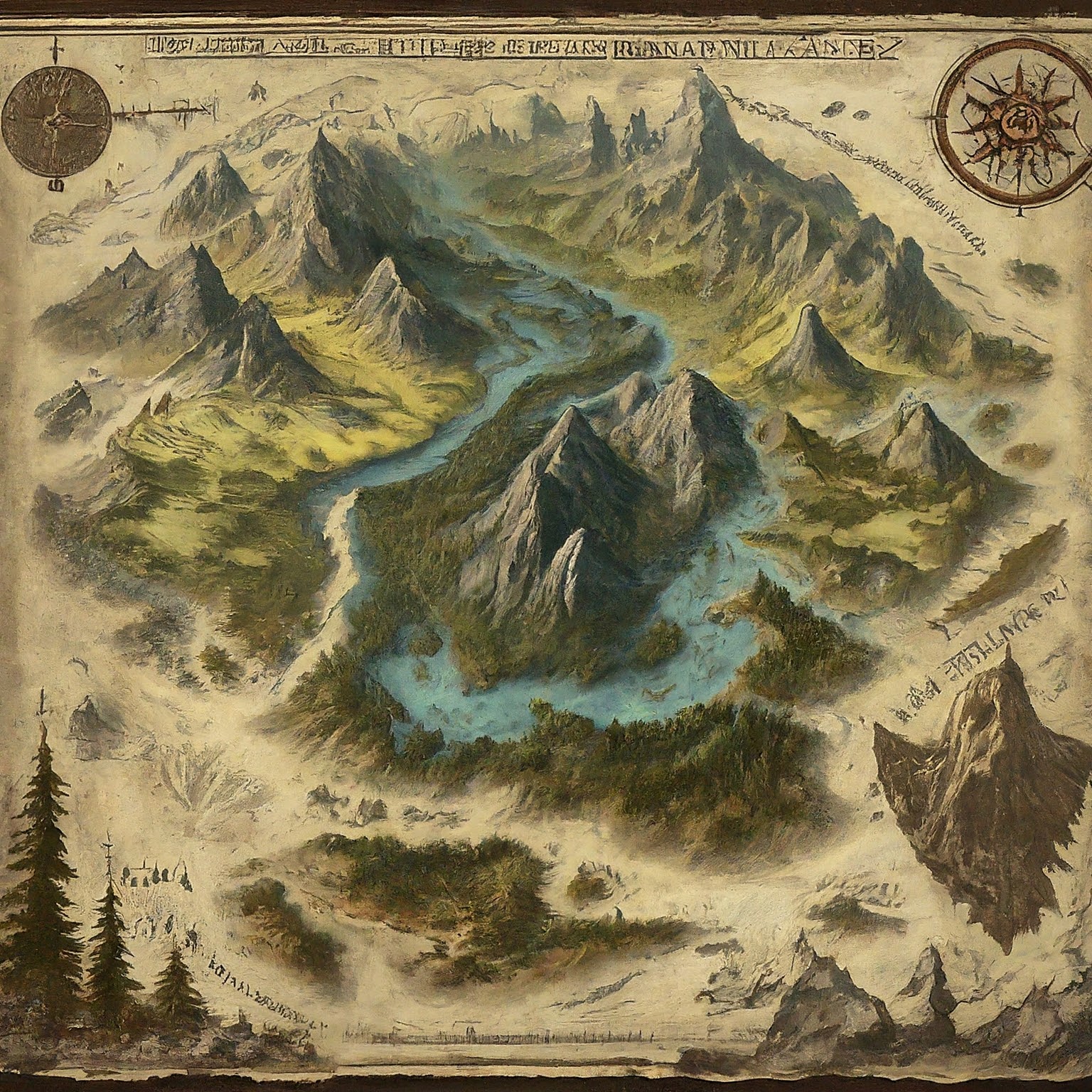

Worldbuilding is the foundation of any successful fantasy story or RPG campaign. It involves creating a rich and detailed setting that draws players and readers into a world that feels alive and vibrant. But worldbuilding is more than just map-making; it’s about crafting cultures, histories, and ecosystems that make your world believable and immersive. This blog explores the art of worldbuilding and offers tips for creating fantasy settings that captivate and inspire.
Start with a Strong Concept: Every great fantasy world starts with a strong concept. This concept should be unique and offer something that sets your world apart from others. It could be a world where magic is a natural resource, a land ruled by dragons, or a realm where ancient gods still walk among mortals. Whatever your concept, it should serve as the foundation for all aspects of your worldbuilding.
Once you have your concept, think about how it influences the world. How does it affect the geography, the cultures, and the daily lives of the inhabitants? A world where magic is a resource might have cities built around powerful magical nexuses, while a dragon-ruled realm might have societies that worship or fear these majestic creatures.
Develop Cultures and Histories: Cultures and histories are what give your world depth and realism. When creating cultures, consider factors such as language, religion, customs, and social structure. Each culture should feel distinct, with its own traditions, beliefs, and ways of life. Think about how geography and history have shaped these cultures—how did they come to be, and what conflicts or alliances have defined them?
When designing environments, think about the flora and fauna that inhabit them. What creatures roam the wilderness, and how do they interact with the world? What plants and herbs are used for food, medicine, or magic? These details add richness to your world and make it feel more alive.
Conclusion: Worldbuilding is a complex and rewarding process that requires creativity, imagination, and attention to detail. By starting with a strong concept, developing cultures and histories, and creating engaging environments, you can craft a fantasy setting that captivates your audience and serves as the perfect backdrop for your stories and adventures. Whether you’re writing a novel or running an RPG campaign, a well-built world will draw your audience in and keep them coming back for more.