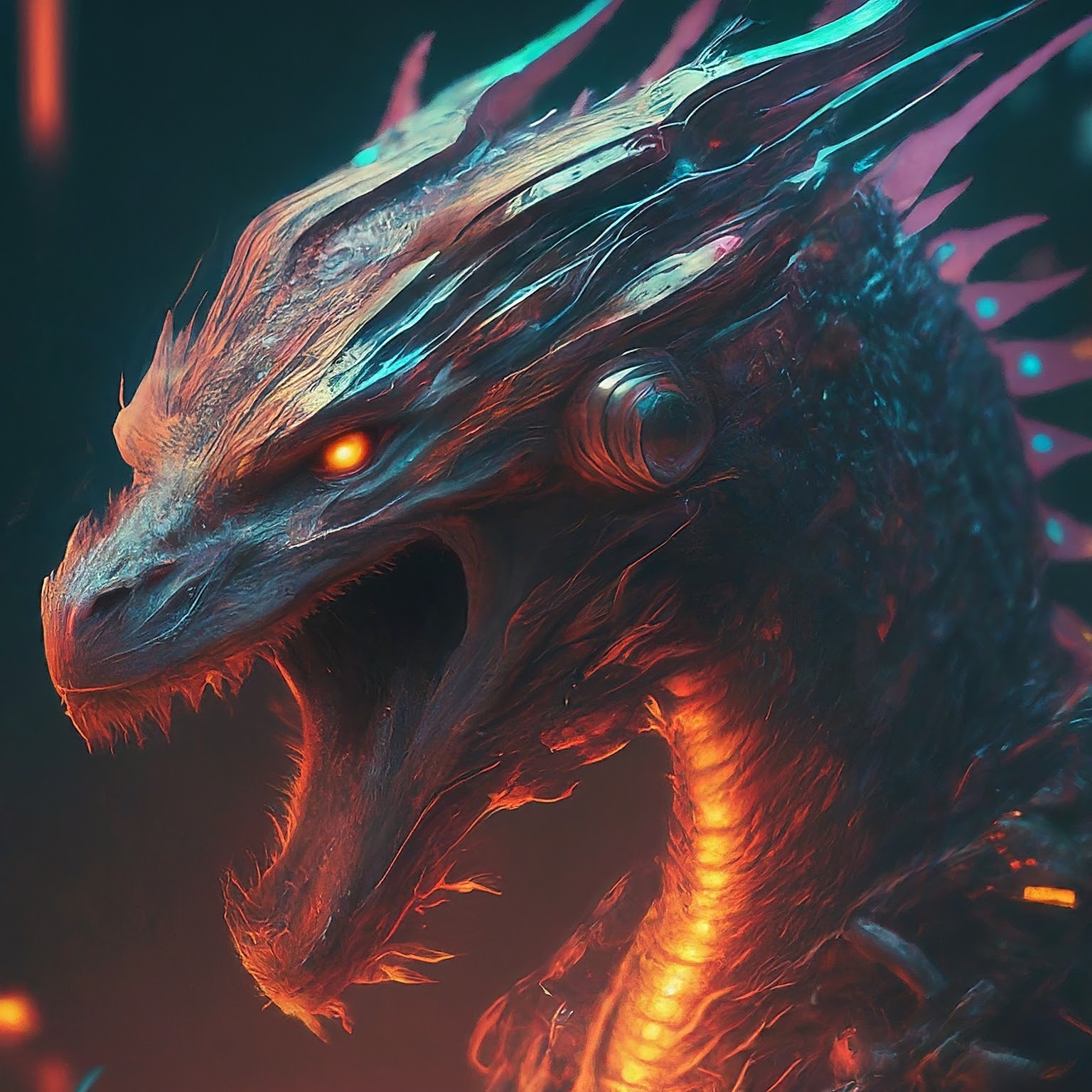

Dragons, the magnificent and fearsome creatures of myth, have captivated the imagination of storytellers for centuries. From ancient folklore to modern fantasy, dragons have evolved in various forms, symbolizing everything from chaos and destruction to wisdom and power. This blog delves into the fascinating journey of dragons through history and their enduring appeal in fantasy lore.
The Ancient Origins of Dragons: Dragons have roots in ancient cultures across the globe. In Chinese mythology, dragons are revered as benevolent creatures, symbolizing strength, power, and good fortune. They are often depicted as wise and benevolent, controlling the elements and protecting the people. In contrast, Western mythology, particularly in European tales, portrays dragons as malevolent beings, hoarding treasure and laying waste to kingdoms. These dragons are often defeated by heroic knights, symbolizing the triumph of good over evil.
Modern Depictions of Dragons: The 20th and 21st centuries have witnessed a significant shift in the portrayal of dragons. In popular fantasy literature, such as J.R.R. Tolkien’s “The Hobbit” and George R.R. Martin’s “A Song of Ice and Fire” series, dragons are depicted as complex beings with their own personalities and motives. They are no longer just obstacles for heroes to overcome but are integral to the world’s lore and the narrative’s development.
Conclusion: Dragons have come a long way from their ancient origins to their modern depictions in fantasy lore. Their evolution reflects humanity’s changing relationship with the unknown, as well as our enduring fascination with these majestic creatures. As fantasy continues to grow as a genre, dragons will undoubtedly remain a powerful symbol of the limitless possibilities of imagination.